Dallas–Fort Worth Relocation Guide | Moving to DFW
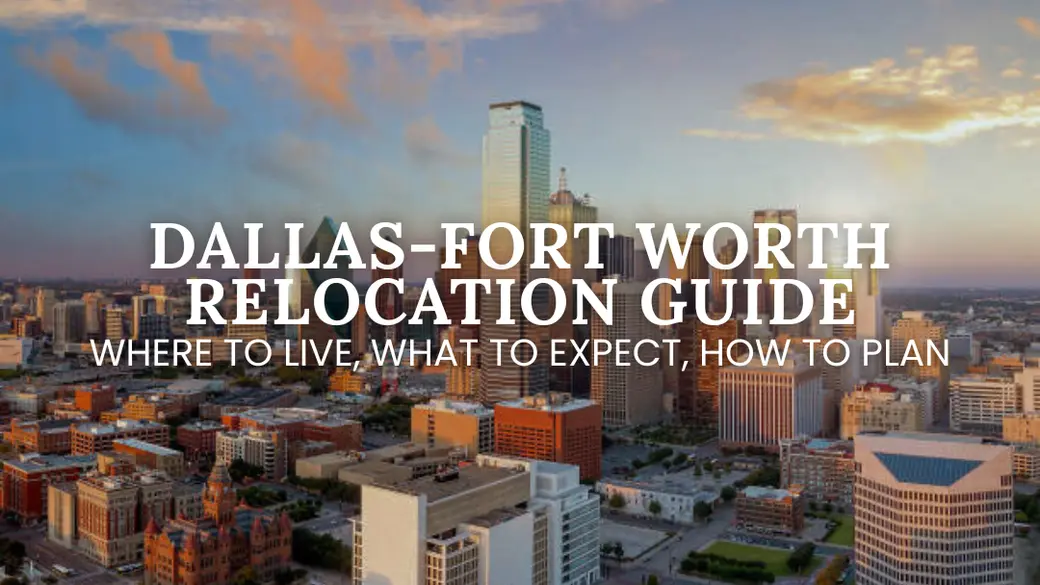
Moving to Dallas–Fort Worth in 2026
What You Really Need to Know Before Relocating to DFW
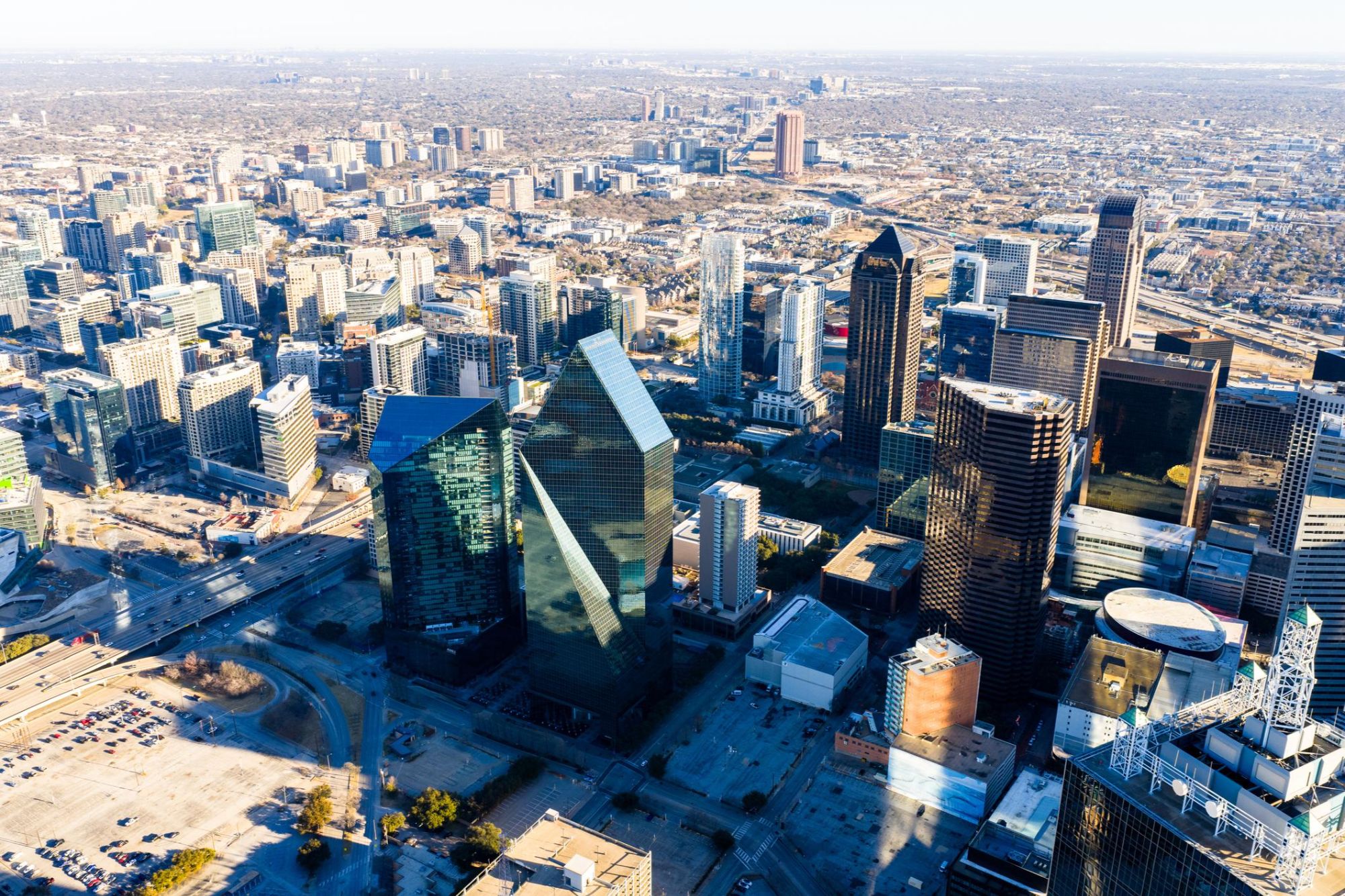
The Dallas–Fort Worth Metroplex is now the fourth-largest metro area in the United States, home to more than 8 million residents and still expanding.
If you’re thinking about moving to Dallas or Fort Worth, the biggest mistake you can make is assuming it’s one city.
It’s not.
DFW is a network of interconnected cities, each with its own personality, tax structure, school districts, commute patterns, and growth trajectory. Choosing the right suburb isn’t about price alone, it’s about lifestyle alignment.
Let’s break it down.
Why So Many People Are Moving to Dallas–Fort Worth
Relocation trends continue to show steady inbound movement from California, Illinois, New York, Florida, and international corporate transfers
The reasons are consistent.
Texas offers no state income tax, strong job creation, and large-scale suburban development. Compared to coastal metros, buyers often gain square footage, newer homes, and master-planned amenities.
But the opportunity isn’t random, it’s anchored in employment growth.
Employment & Corporate Hubs: Start Here
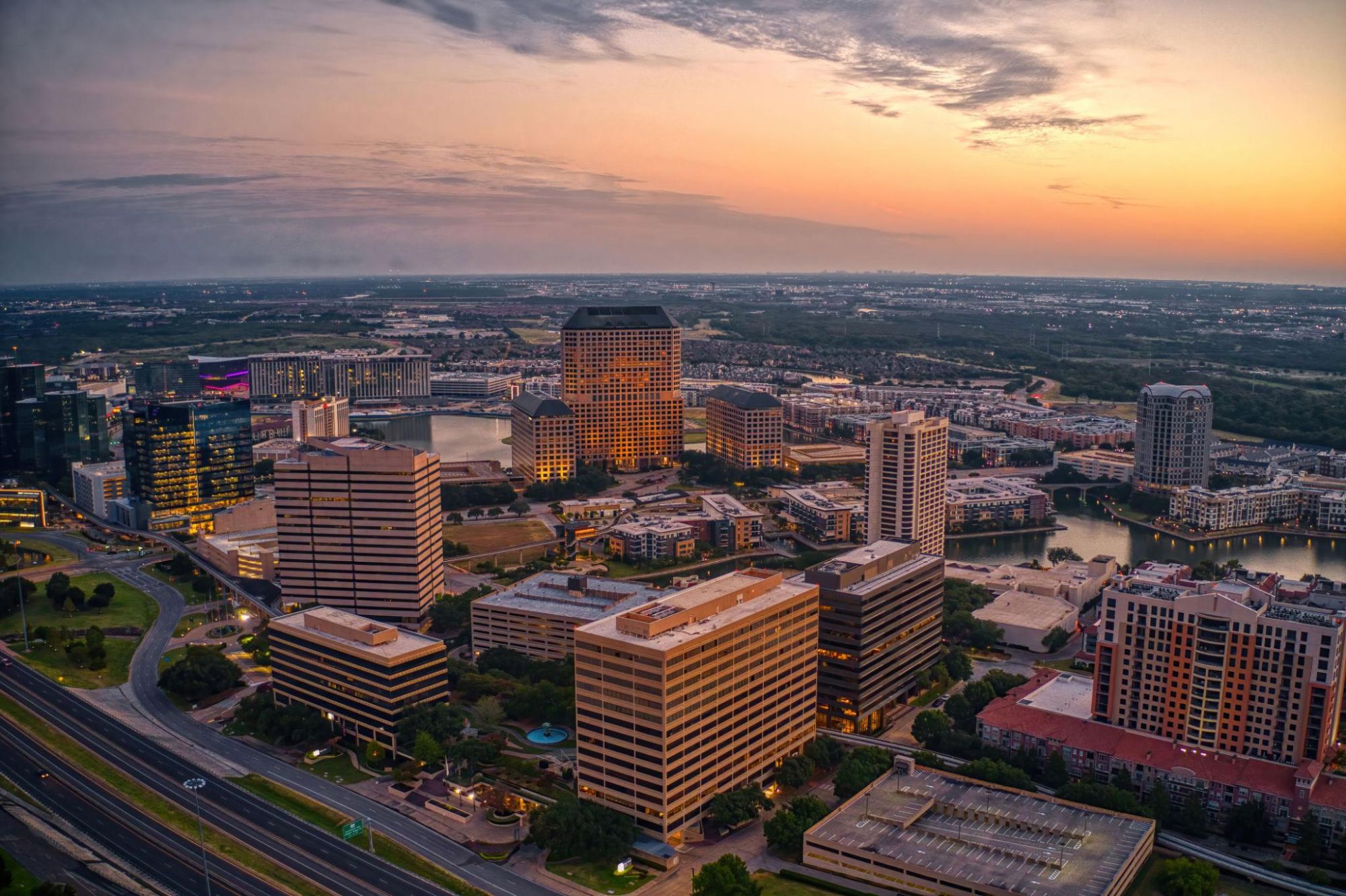
Before choosing a suburb, start with your commute. DFW has multiple employment clusters, not just one central downtown.
North Dallas / Plano / Frisco Corridor
Corporate relocations often center around this area. This corridor drives much of the housing demand in Frisco, Prosper, and Celina. Major headquarters and regional offices include:
- Toyota North America
- JPMorgan Chase
- Liberty Mutual
- PepsiCo
Las Colinas (Irving)
Living north but working here can significantly affect commute times., however; this is major employment center between Dallas and Fort Worth, home to:
- ExxonMobil
- Kimberly-Clark
- Citigroup
Downtown Dallas
Finance, consulting, tech startups, and legal firms dominate here. Buyers wanting vertical living often consider urban neighborhoods like Uptown Dallas.
Fort Worth Alliance Corridor
Aerospace, logistics, and distribution are concentrated here, which drives demand west of the metroplex. Your daily drive will shape your quality of life more than your square footage.
Understanding the Layout of DFW
DFW spans multiple counties and dozens of municipalities, so choosing where to live should be a thoughtful decision based on your work location, school district priorities, preferred urban or suburban lifestyle, comfort with property tax exposure, and whether you’re comfortable living in an HOA or MUD community.
Broadly speaking, you can think of DFW in four lifestyle zones:
• Urban Dallas
• Urban Fort Worth
• North Dallas Growth Corridor
• Mid-Cities / Airport Corridor
Each offers a completely different experience.
The North Dallas Growth Corridor
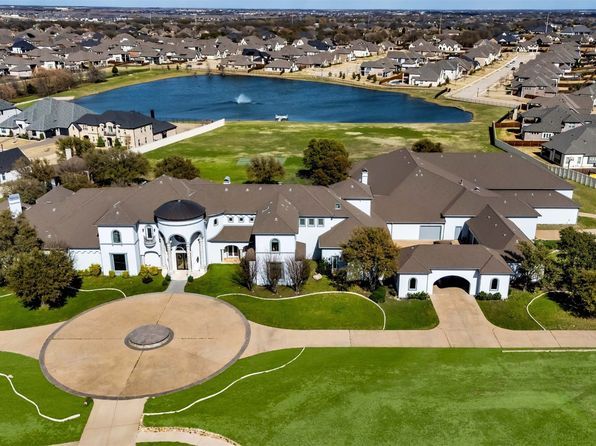
(Where Most Relocation Buyers Land)
If you’ve searched “best suburbs in Dallas for families,” you’ve likely seen these cities repeatedly.
1. Frisco
Frisco is often the first stop for relocation buyers moving to North Texas. The city feels polished and highly structured, with strong corporate proximity and zoning under Frisco Independent School District. Median home prices typically range from $650,000 to $850,000, reflecting sustained demand. Most neighborhoods are HOA-driven and amenity-rich, with resort-style pools and a youth sports culture that keeps weekends full. Resale demand remains consistent due to school ratings and employment access.
2. Prosper
Prosper offers a step up in space and luxury. Homes commonly range from $750,000 to well over $1 million, often featuring larger lots and newer estate-style construction. While it benefits from the same corporate corridor as Frisco, it feels less dense and more residential. Buyers who want room to spread out without losing proximity to major employers often gravitate here.
3. Celina
Celina is one of the fastest-growing cities in Texas and attracts buyers looking for early-phase pricing and long-term appreciation potential. Growth is aggressive, infrastructure continues expanding, and many see it as an equity play within the northward expansion of DFW. It offers newer communities and forward momentum, though amenities and commercial development are still catching up in some areas.
4. McKinney
McKinney blends historic downtown charm with ongoing modern development, creating a more established and balanced feel compared to newer growth corridors. Its character, mature neighborhoods, and mix of resale and new construction make it appealing to buyers who want community identity along with growth. For many relocating families, McKinney represents a comfortable middle ground between rapid expansion and long-standing roots.
Established & Luxury Suburbs
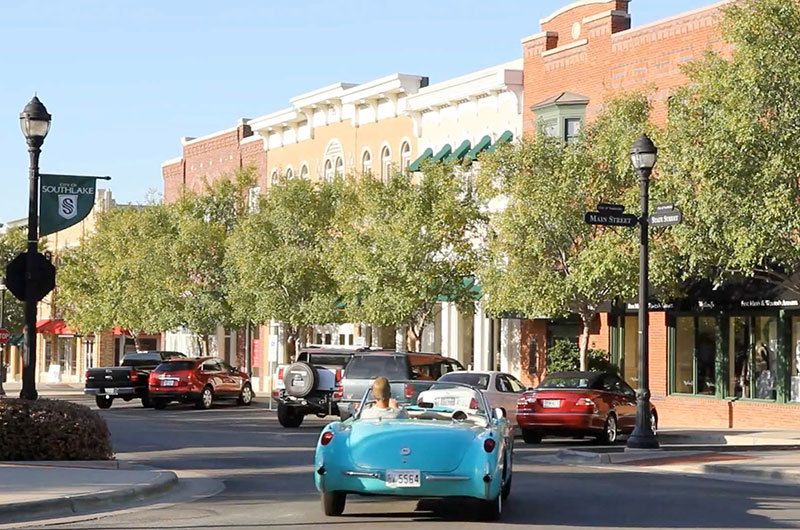
Not every relocation buyer is looking for rapid-growth construction zones or early-phase development. Some prefer established prestige, mature landscaping, and long-standing community identity.
1. Southlake
Southlake is widely recognized as one of DFW’s premier executive-level suburbs. Zoned to Carroll Independent School District, it consistently attracts corporate relocations and luxury buyers prioritizing academic reputation and structured community standards. Median home prices typically exceed $1 million, with many properties well above that threshold. The lifestyle here is achievement-oriented and highly organized, with strong community involvement, competitive youth programs, and a polished suburban environment centered around Southlake Town Square.
2. Highland Park
Highland Park represents historic Dallas prestige. Known for tree-lined streets, established estates, and walkability to Highland Park Village, the area reflects generational wealth and architectural continuity. Pricing typically begins well above $2 million, and inventory is limited. This is traditional Dallas luxury: refined, private, and deeply rooted in long-standing social and philanthropic networks.
Urban Living Options
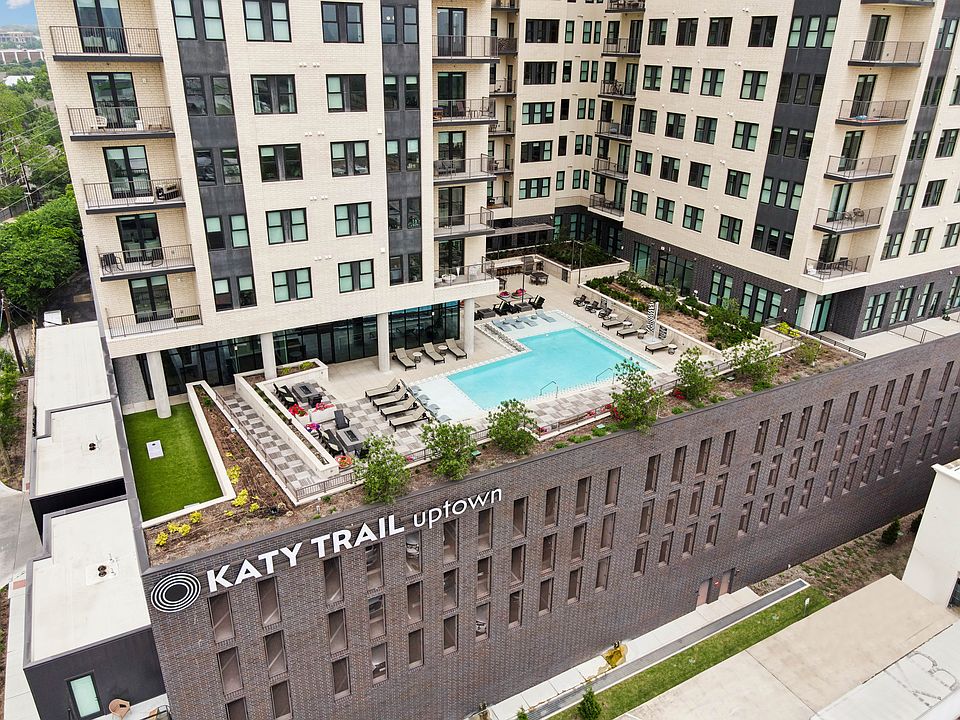
For buyers who prefer vertical living, shorter commutes, and a more walkable environment, DFW does offer distinct urban pockets, though they are concentrated in specific areas.
1. Uptown Dallas
Uptown Dallas is one of the most sought-after urban neighborhoods in the metroplex. High-rise condos, proximity to corporate offices, and access to the Katy Trail create a walkable, energetic atmosphere. Buyers here often include young professionals, executives, and relocators who want immediate access to dining and nightlife. Pricing for condos typically ranges from the mid-$600,000s into the $1 million range, depending on building and view.
2. Downtown Fort Worth
Downtown Fort Worth offers a different urban rhythm. Anchored by Sundance Square, the area blends loft-style living with western heritage charm. It feels slower and more community-oriented than central Dallas, while still offering walkability and cultural events. Buyers drawn here often prefer Fort Worth’s personality over Dallas’ corporate pace.
Lifestyle & Culture in Dallas–Fort Worth

Relocating to the Dallas–Fort Worth Metroplex means embracing a metro that is largely suburban in structure, yet steadily expanding in cultural depth and lifestyle variety.
While it may not offer the vertical density of cities like New York or Chicago, DFW delivers something different- space, structure, and a strong sense of community identity.
Sports Are Part of the Identity
Sports aren’t just entertainment here, they’re embedded in the culture.
DFW is home to major professional franchises including the Dallas Cowboys, Dallas Mavericks, Texas Rangers, and Dallas Stars. Game days are events, even for families who don’t attend regularly.
Beyond the professional level, high school football is taken seriously across North Texas, and youth sports participation is extremely strong in suburban communities. Weekends often revolve around baseball tournaments, football games, cheer competitions, and club sports schedules.
For many families, this becomes part of the rhythm of daily life.
Dining & Entertainment
Dallas and Fort Worth offer distinctly different atmospheres.
Dallas leans corporate and upscale, with established dining districts and expanding culinary scenes. Fort Worth embraces western heritage, a slightly slower pace, and a more relaxed nightlife culture.
Neighborhoods like Bishop Arts District offer boutique charm, independent restaurants, and rare walkable pockets. In contrast, many suburban centers focus on patio dining, lifestyle districts, and mixed-use developments designed around convenience and community gathering.
In DFW, evenings often mean patio dinners, youth activities, or community events rather than dense nightlife.
Outdoor & Lake Life
Despite being a major metro, outdoor life still plays an important role.
Lake weekends are common, with recreation centered around:
- Lake Grapevine
- Lake Lewisville
- White Rock Lake
Boating, golf, walking trails, and HOA amenity centers drive suburban recreation. Spring and fall are especially active seasons, with ideal weather for outdoor events and sports.
Summers, however, are intense. Temperatures regularly exceed 95 degrees, and relocating buyers should prepare for sustained heat in July and August.
Family Life & Schools
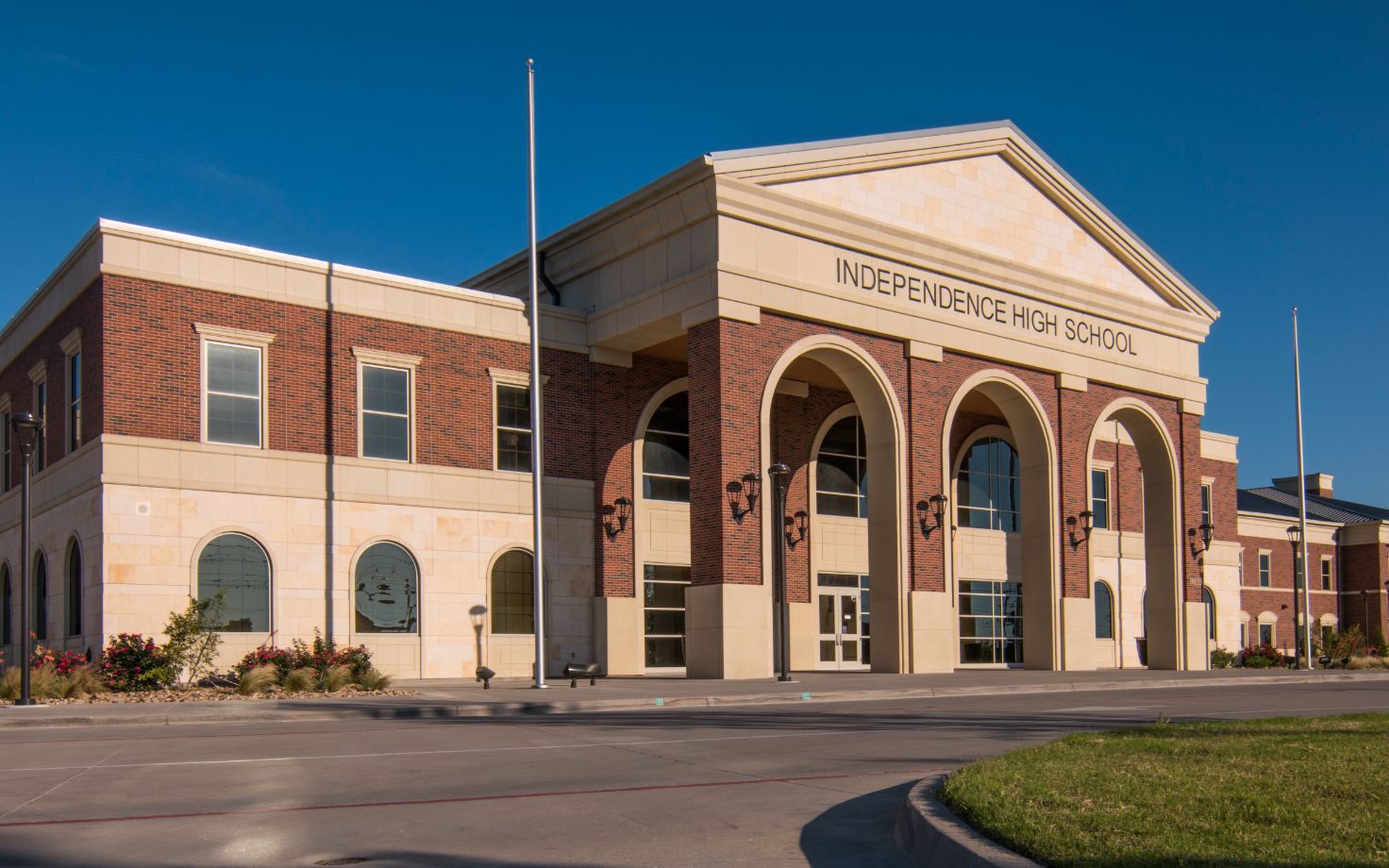
For many relocation buyers, schools ultimately drive the decision.
Highly searched districts across DFW include:
-
Frisco Independent School District
-
Carroll Independent School District
-
Plano Independent School District
-
Allen Independent School District
Suburban family life here is structured and activity-driven. It often includes travel baseball and football tournaments, HOA pools and splash pads, PTA involvement, booster clubs, and school fundraisers.
Rapid-growth suburbs frequently open new campuses to accommodate population increases, which means zoning lines can shift. Reviewing school boundaries carefully before purchasing is essential.
For buyers unfamiliar with how Texas funds public education, understanding how property taxes and exemptions work can significantly affect long-term planning and affordability.
Cost of Living Realities
Texas does not have a state income tax, which attracts many inbound relocators.
However, the cost structure shifts elsewhere.
Property taxes in DFW typically range from 1.8% to 2.8%, depending on the municipality and school district. In newer communities, MUD districts can add additional levies. Homeowners insurance also tends to be higher than some coastal markets due to hail exposure and roof deductibles.
Buyers relocating from California, Illinois, or New York are often surprised to learn that tax strategy matters just as much as purchase price.
Total cost of ownership, not just list price, should guide the decision.
Commute Strategy: Don’t Underestimate It

DFW is geographically expansive.
A 20-mile commute can easily stretch to 45–60 minutes during peak traffic. Choosing the right suburb without testing the drive first is one of the most common relocation mistakes.
Major corridors include:
- North Dallas Tollway
- Sam Rayburn Tollway
- I-35E and I-35W
- George Bush Turnpike
Airport access is strong through Dallas Fort Worth International Airport and Dallas Love Field, making DFW highly convenient for corporate travelers.
Before committing to a neighborhood, drive your route during peak hours. The daily commute often shapes overall satisfaction more than the home itself.
2026 Real Estate Outlook
The market has stabilized compared to the historic lows of 2022–2023. Inventory levels are improving, particularly in outer growth corridors.
Builders in expanding suburbs are frequently offering rate buydowns, closing cost assistance, design credits.
For strategic buyers, understanding how builder incentives function in today’s market can create meaningful financial advantages.
Comparing new construction versus resale now requires careful evaluation of tax exposure, long-term resale positioning, and neighborhood maturity.
Frequently Asked Questions About Moving to Dallas–Fort Worth
Is Dallas or Fort Worth better for relocation?
Dallas tends to feel more corporate and urban, with stronger finance and tech presence. Fort Worth offers a slightly slower pace with western heritage and strong community identity. The better option depends on your commute and lifestyle preferences.
What are the best suburbs in DFW for families?
Frisco, Prosper, Southlake, McKinney, and Plano are consistently among the most searched suburbs due to strong public school districts, corporate proximity, and master-planned community amenities.
How high are property taxes in Dallas–Fort Worth?
Property taxes typically range from 1.8% to 2.8%, depending on the municipality and school district. Newer communities may include additional MUD levies. Texas does not have a state income tax, so overall tax planning should consider both property and exemption strategy.
Is Frisco overpriced in 2026?
Frisco pricing reflects strong corporate relocation demand, school district performance, and limited inventory. While prices are higher than surrounding suburbs, they generally align with inbound migration and job center proximity.
Should I buy new construction or resale in DFW?
New construction may offer builder incentives, rate buydowns, and design credits. Resale homes may provide mature landscaping and potentially lower MUD exposure. Comparing total cost of ownership is key.
Final Thoughts: Is DFW Right for You?

DFW rewards buyers who think long-term and plan strategically.
It works especially well for:
✔ Corporate relocations
✔ Families prioritizing strong school districts
✔ Buyers wanting newer construction
✔ Investors targeting northward expansion
It may not suit buyers expecting:
• Public transportation similar to NYC
• Mild summers
• Ultra-dense walkability outside urban cores
Relocating to Dallas–Fort Worth is less about choosing a house and more about choosing alignment, with commute expectations, school district goals, tax structure, and lifestyle priorities.
For the right buyer, DFW offers scale, opportunity, and long-term stability.
Categories
- All Blogs (98)
- Conroe (4)
- Cypress (15)
- Dallas-Fort Worth (2)
- Hockley (5)
- Home Ownership Information (40)
- Home Purchase (1)
- Houston (9)
- Katy/Fulshear (10)
- Magnolia (4)
- Market Forecast (12)
- Memorial (2)
- Neighborhood Information (43)
- New Caney (2)
- Pearland (3)
- Relocation Guide (44)
- Retiree Relocation (3)
- Richmond (5)
- Spring (5)
- Sugarland (2)
- The Woodlands (6)
- Tomball (6)
- Waller (2)
Recent Posts








Realtor® Listing Specialist and Team Lead License ID: 634969
+1(832) 779-5478 | kristina.newcomb@exprealty.com