
Houston Land Buying Guide | Buy Ranch Or Acreage Near Houston, TX
Buying Land or Acreage in Texas: Everything You Must Know Before You Build or Invest
Houston Land Buyer Cheat Sheet (Read This First)
Before you buy land or acreage around Houston, make sure you can answer these questions clearly:
Can I legally build the type of home I want here (custom, barndominium, modular, guest house, barn)?
Are utilities real and accessible (electricity, water, septic, and internet) and what will they cost?
Is any part of the property in a floodplain or floodway?
What will my property taxes actually be, and does an ag or wildlife exemption apply?
Can I finance this land with a bank or construction loan, and how much down will I need?
Does the property have legal access and usable frontage?
Are soil, drainage, or septic conditions going to increase my build cost?
Are mineral, water, and surface rights included?
Could I subdivide or sell this property later if my plans change?
What will this land really cost me to build on, beyond the purchase price?
If you cannot confidently answer all ten, you are not ready to close on that parcel yet.
Buying land or acreage around Houston can be one of the smartest long-term real estate moves you make, or one of the most expensive mistakes.
From Magnolia and Hockley to Fulshear, Waller, Conroe, and The Woodlands, buyers are purchasing land for custom homes, small ranches, weekend retreats, and long-term investment plays. But land is not like buying a house in a subdivision. There are fewer protections, more unknowns, and far more responsibility on the buyer.
This Houston-focused guide walks you through the land-buying process in the exact order buyers should think about it, so you can avoid the most common and costly mistakes.
Step 1: Why Buying Land in Texas Is Different Than Buying a Home
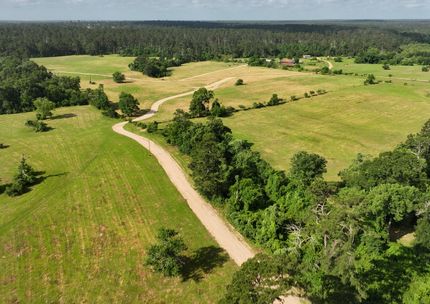
Texas is a private-property-heavy state with far less public land than most parts of the country. That creates opportunity, but it also creates responsibility.
Unlike subdivision homes where infrastructure, zoning, and utilities are already in place, land buyers must personally verify nearly every aspect of buildability and long-term use. Texas also has fewer zoning restrictions in many counties, which gives buyers more freedom but places far more responsibility on them to confirm what is legally allowed.
For Houston-area buyers, this creates a unique opportunity. Strong migration into suburbs and rural edges like Magnolia, Hockley, Waller, and Fulshear continues to drive long-term land demand. When purchased correctly, land also offers high upside for generational wealth, legacy estates, and long-term appreciation.
Step 2: Raw Land vs. Improved Land — What’s the Difference?
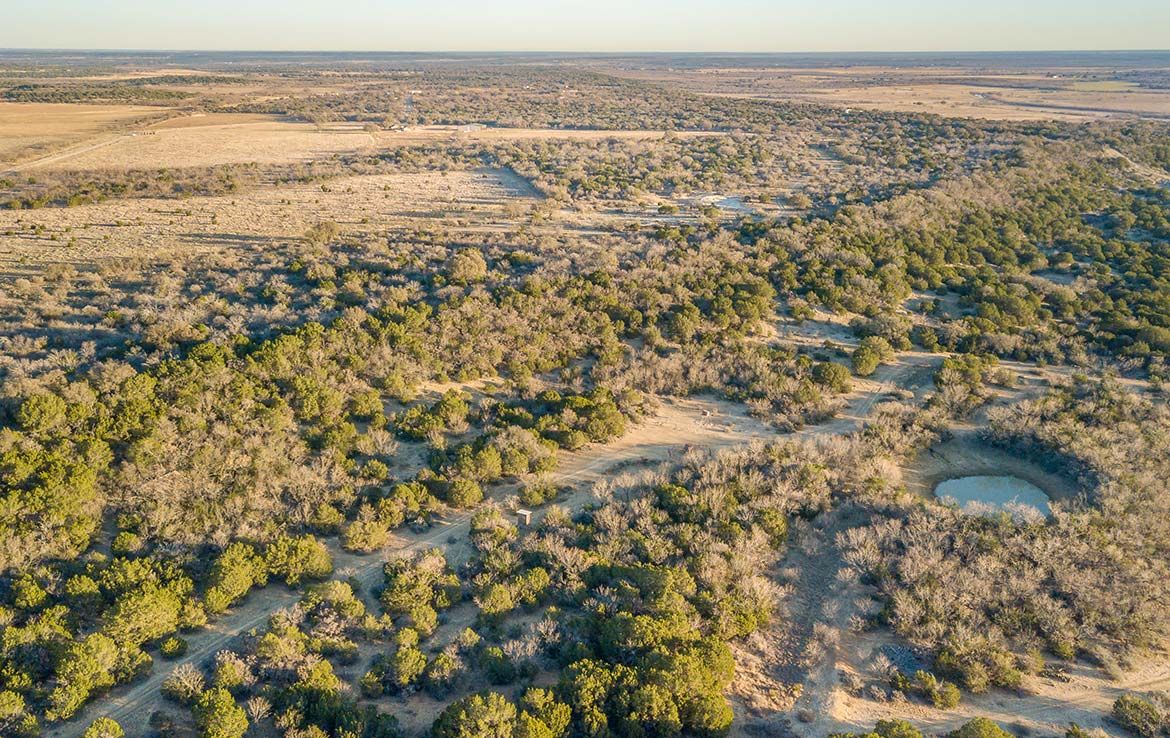
Before falling in love with a low price per acre, you need to understand what type of land you are actually buying.
Raw land is undeveloped property with no utilities, no cleared building site, no driveway, and no basic infrastructure. It is usually the cheapest option upfront, but often becomes the most expensive long-term once utility installation, site preparation, and permitting costs are added.
Improved land is property that already has some infrastructure in place, such as electric service at the road or on site, water access or a private well, a cleared building pad, and an established driveway. It typically sells at a higher price per acre, but is easier to finance, carries lower development risk, and allows for a much faster build timeline.
Step 3: Can I Build What I Want on This Land?
This is the single most important land-buying question.
In the Houston area, what you can build depends on whether the property is inside city limits, within an ETJ, or regulated by the county. Each has different rules and permitting requirements.
Buyers must check for zoning rules, deed restrictions, and HOA-style architectural controls. Many acreage tracts still carry old restrictions that can limit minimum square footage, exterior design, or whether barndominiums, mobile homes, or modular homes are allowed.
You should also confirm setbacks, height limits, and whether guest houses, barns, or workshops are permitted. Some properties also have subdivision or short-term rental restrictions.
Never assume rural land is unrestricted. Always review the title commitment, survey, and recorded restrictions.
Check deed restrictions and recorded covenants via the Harris County Public Records database. Harris County Clerk Public Records Search
Review plats, property lines, and planning data using the City of Houston GIS and Plat Search tools. City of Houston GIS & Plat Search Tools
Step 4: Are Utilities Actually Available?
This is where many Houston-area land deals go wrong.
Electric (~$5,000-$40,000+) - Power is not guaranteed just because a property has road frontage. You must confirm whether power is at the road, how far the nearest pole or transformer is, and who pays for extensions.
Water ($10,000–$30,000+)- Either a municipal tap or a private well is required. Well drilling in the Houston area can vary
Sewer / Septic ($8,000–$25,000+)- If no sewer exists, a septic system is required. Confirm soil suitability and county permitting rules.
Internet- Fiber is rare on rural acreage. Most properties rely on Starlink or fixed wireless.
Step 5: Is the Land in a Floodplain or Floodway?
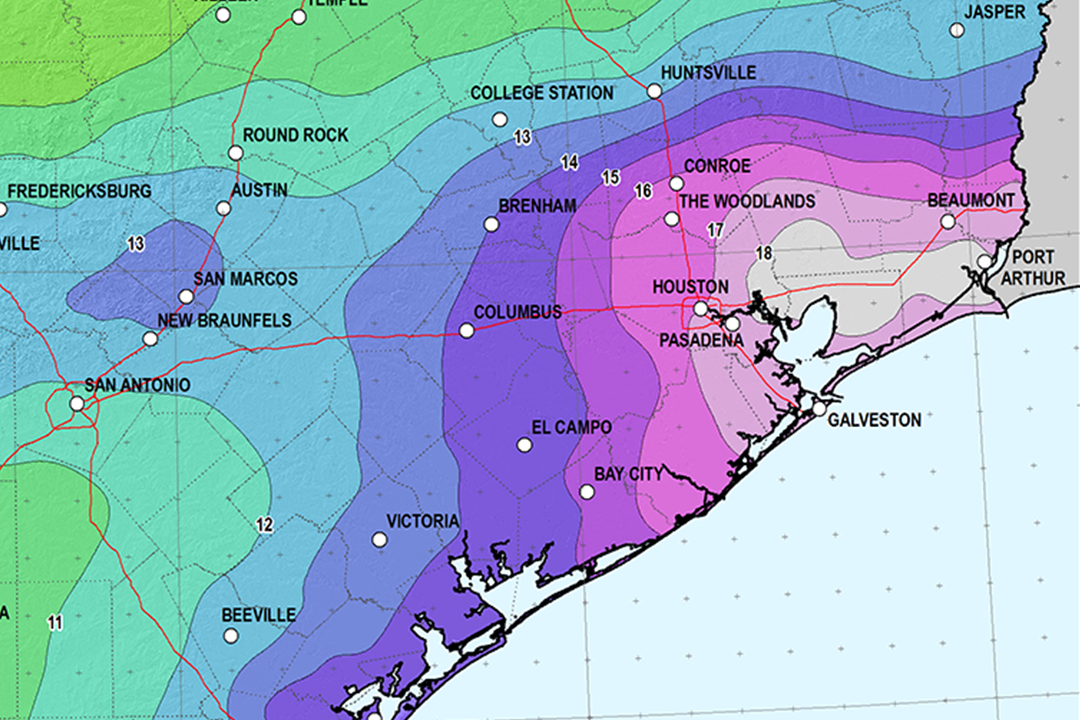
Flood risk is one of the most critical land factors in Southeast Texas.
Buyers must verify the FEMA flood zone designation, whether any portion of the property lies in a floodway, and whether the land has a history of flooding. Floodway land is often not buildable, while floodplain land may require raised foundations, additional drainage work, and higher insurance premiums.
Look up the official FEMA flood zone for this property before buying. FEMA Flood Map Service Center (Search Flood Zones)
For more localized floodplain context, check the Harris County Flood Education map. Harris County Flood Education Mapping Tool
Step 6: What Are the Soil, Survey, and Drainage Conditions?
Soil and land conditions directly affect build cost and septic approval.
Buyers should obtain soil tests for septic and foundation design, a current boundary survey, and FEMA flood maps. This review should also confirm whether easements, access rights, wetlands, or natural drainage paths affect usable acreage.
Clay-heavy soils common around Houston may increase foundation and septic costs, while poor drainage can add major site preparation expenses.
Step 7: What Are the Property Taxes and Is There an Ag Exemption?
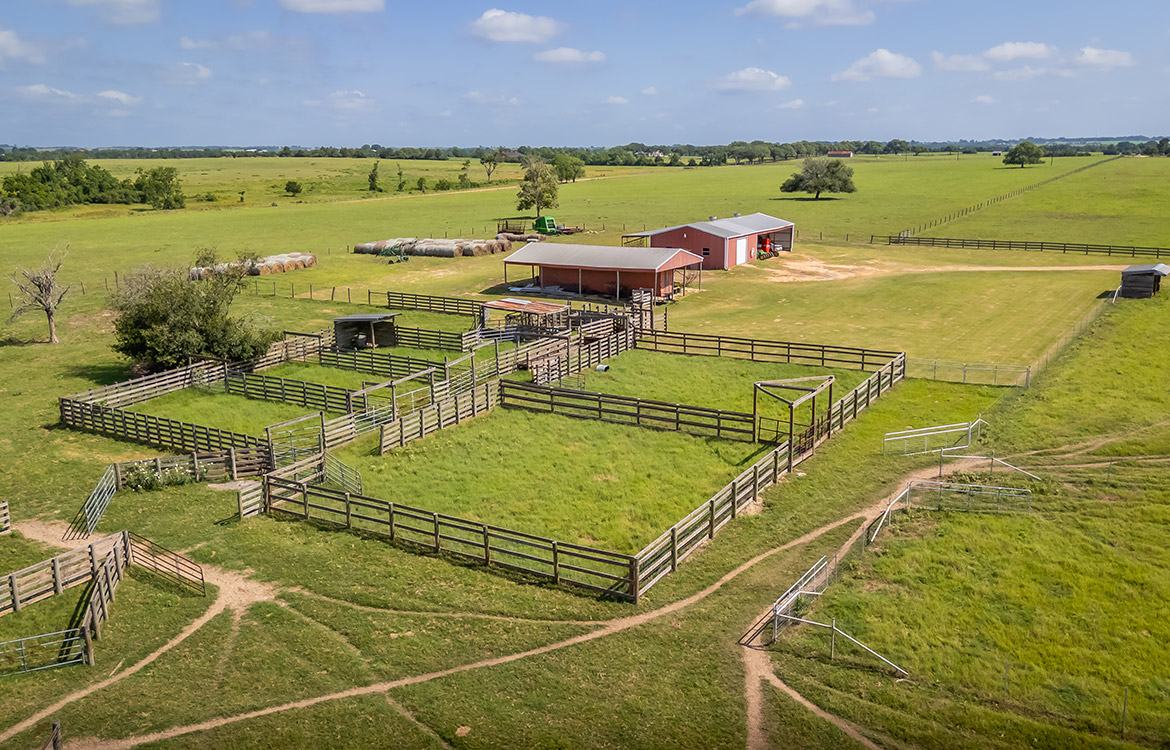
Texas land taxes vary dramatically from one parcel to another.
Buyers should always confirm the current tax rate, the total annual tax bill, and whether an agricultural or wildlife exemption exists.
An ag exemption is not a true exemption. It is a special valuation based on agricultural use rather than market value. Qualifying uses may include cattle or livestock, hay production, beekeeping, or wildlife management.
Buyers must understand that the land must show historical agricultural use, that it can take multiple years to qualify, and that the exemption can be lost when a home is built. Rollback taxes may apply when land use changes. When structured correctly, ag exemptions can create huge long-term tax savings.
Step 8: How Will I Finance the Land?
Land financing is very different from home loans.
Most banks will not finance raw land, and those that do typically require 25 to 40 percent down, offer shorter loan terms, and charge higher interest rates.
Common financing options include:
-
Portfolio loans: Flexible bank loans kept in-house; usually require 25–40% down.
-
Community bank loans: Local lenders with more flexible rules for land and acreage.
-
Seller financing: Buyer pays the seller directly; higher down payments and shorter terms.
-
Construction-to-permanent loans: One loan for land + build + final mortgage; best for buyers building immediately.
Step 9: Can I Subdivide or Sell This Later?
This matters for long-term value and exit strategy.
Buyers should confirm whether the land is inside city limits or county regulated, what minimum lot sizes apply, what road frontage requirements exist, and whether new roads or utility extensions would be required.
Subdivision approvals can be costly and time consuming, but they can also create massive upside in the right growth corridors.
Step 10: What Will It Really Cost to Build Here?
Beyond the land price itself, buyers should budget for driveway and culvert installation, utility extensions, well and septic systems, clearing and pad work, drainage improvements, and impact or development fees in some areas.
On raw acreage, these costs can easily exceed $50,000 to $150,000 or more.
Buying Land to Build vs. Buying Land to Hold
Buyers should be clear about their long-term strategy before purchasing.
A build strategy offers full design flexibility, immediate lifestyle use, and total customization, but it also comes with higher upfront costs, longer build timelines, and construction risk.
A hold strategy is an appreciation play that can offer tax advantages and future development upside, but it provides no immediate use and still carries ongoing taxes and maintenance.
Common Land-Buyer Mistakes in Texas
We see the same costly mistakes repeatedly.
Buyers often assume utilities exist when they do not, ignore flood zones, lose an ag exemption when building, overpay near future development, or fail to verify access easements.
Additional Texas-specific mistakes include not checking mineral, water, and surface rights, missing pipeline or utility easements, buying landlocked property, and ignoring MUD, PID, or special assessments.
Houston Land Buyer FAQ
Can I live in an RV while building on my land in Texas?
Sometimes, but it depends on county rules, deed restrictions, and whether utilities and septic are installed. Many counties limit how long an RV can be used as a primary residence.
Can I hunt or run livestock on my property?
Usually yes on unincorporated land, but deed restrictions, city limits, or HOA-style rules may prohibit hunting, certain animals, or commercial agricultural use.
Is all floodplain land unbuildable?
No. Floodway land is often not buildable, but floodplain land may be buildable with raised foundations, engineered drainage, and higher insurance costs.
What down payment do I need to buy land in Texas?
Most land loans require 25–40 percent down. Raw land typically requires a higher down payment than improved acreage.
Are mineral rights automatically included when I buy land?
No. Mineral rights are frequently severed in Texas. You must verify whether mineral, surface, and groundwater rights are conveyed.
Can land be landlocked in Texas?
Yes. Some parcels do not have legal road frontage. Always confirm deeded access or a recorded easement.
What is a MUD or PID tax?
MUD and PID are special taxing districts used to fund infrastructure. These can add thousands per year in additional taxes.
Is Buying Land in the Houston Area Right for You?

Land and acreage purchases are ideal for custom home buyers, equestrian buyers, ranch and livestock owners, and investors targeting long-term appreciation.
Lifestyle buyers often prioritize privacy and flexibility, while investment buyers tend to focus on future development and subdivision potential. Land can also play a major role in long-term wealth building and legacy planning, which we explain further in our guide to generational wealth through real estate.
This also includes buyers seeking ranch, equestrian, and legacy estates or choosing between a weekend retreat and full-time rural living.
Get Expert Guidance Before You Buy Land
Texas land is not beginner-friendly.
Land purchases require heavy due diligence, infrastructure verification, flood and soil analysis, tax planning, and a clear financing strategy. Small mistakes can become expensive ones.
When done correctly, Texas land offers huge upside for lifestyle freedom, legacy wealth, and long-term appreciation. This is why local expertise matters.
Thinking about buying land or acreage in the Houston area?
Not all land is buildable. Not all land is financeable. And not all land holds long-term value.
Let us do the heavy lifting- send us a message!
📞 Book a consultation call: 832-779-5478
🌐 Visit our website: www.newcombrealtygroup.com
📲 Connect with us: Instagram | Facebook | TikTok | YouTube | LinkedIn
Categories
- All Blogs (109)
- Conroe (4)
- Cypress (17)
- Dallas-Fort Worth (2)
- Hockley (5)
- Home Ownership Information (44)
- Home Purchase (1)
- Houston (9)
- Katy/Fulshear (10)
- Magnolia (4)
- Market Forecast (12)
- Memorial (2)
- Neighborhood Information (44)
- New Caney (2)
- Pearland (5)
- Real Estate (4)
- Relocation Guide (49)
- Retiree Relocation (4)
- Richmond (5)
- Spring (5)
- Sugarland (4)
- The Woodlands (6)
- Tomball (6)
- Waller (2)
Recent Posts







Realtor® Listing Specialist and Team Lead License ID: 634969
+1(832) 779-5478 | kristina.newcomb@exprealty.com