Building Generational Wealth Through Real Estate
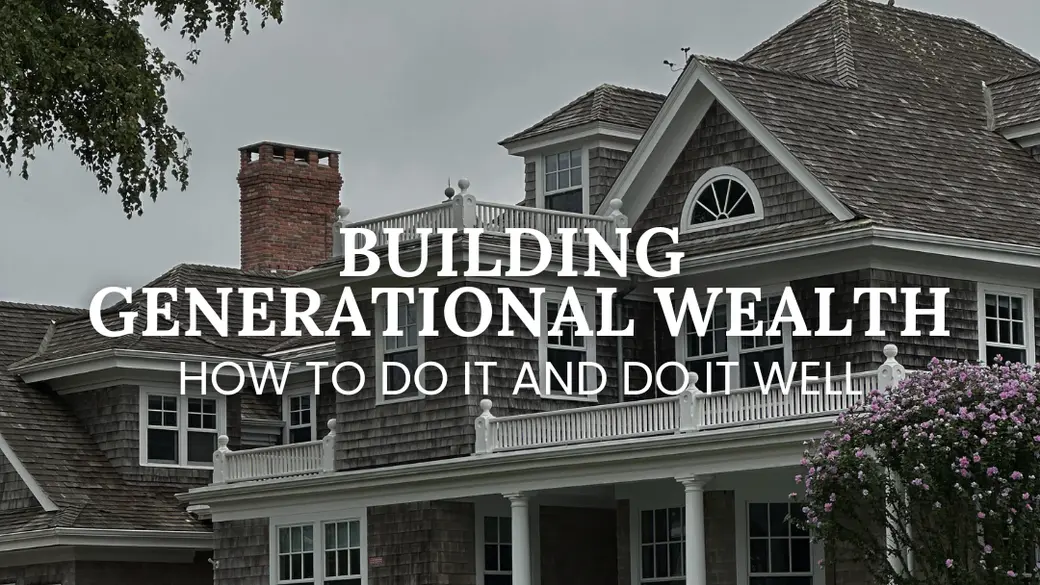
Building Generational Wealth Through Real Estate: What It Really Means and How to Do It Well
When people search for building generational wealth through real estate, they’re rarely looking for shortcuts. Most are trying to understand how everyday decisions like buying a home, holding property, or building equity can create stability and opportunity for their family long after the purchase is made.
At Newcomb Realty Group, we view generational wealth as something built slowly and intentionally. It’s not about speculation. It’s about making smart real estate choices that hold value, adapt through life stages, and support future generations.
What Is Generational Wealth?
Generational wealth refers to assets that are passed from one generation to the next. These assets may include:
-
Real estate equity
-
Rental income streams
-
Investment portfolios
-
Businesses
-
Cash reserves and trusts
In the context of real estate, generational wealth often takes the form of property ownership that grows in value over time, produces income, and is structured to transfer efficiently to heirs. Unlike income alone, assets continue working long after they’re acquired, making them a powerful foundation for long-term wealth.
Why Real Estate Has Remained a Reliable Wealth Builder
Real estate continues to play a central role in long-term wealth planning because it combines lifestyle value with financial performance.
Property ownership offers something few other investments do: utility. Whether you live in it or rent it out, the asset serves a purpose while it grows. Over long periods, appreciation, equity accumulation, and income potential tend to work together rather than in isolation.
Real estate also benefits from its tangible nature. Owners can improve it, refinance it, adapt it to life changes, or pass it down. That flexibility is a major reason families continue to rely on property as a cornerstone of generational planning.
You Don’t Have to Be an Investor to Build Wealth
One of the most common misunderstandings is that you must own dozens of properties or run rentals to build generational wealth. Many families build meaningful long-term wealth simply by buying the right primary home and holding it through multiple market cycles. What matters most is strategy over volume- choosing what you buy, where you buy it, and how you hold it through changing economic conditions.
Even with just one well-chosen property, long-term ownership, equity growth, and smart planning can create a lasting foundation for future generations.
How Buy-and-Hold Builds Momentum
For families with additional properties, buy-and-hold strategies often generate stability rather than speculation-style volatility. Rental income provides regular cash flow, mortgage paydown increases equity, and appreciation adds long-term value. Over time, these three benefits compound, rewarding consistency and patience over rapid flipping or timing the market.
Using Leverage Wisely
Leverage allows buyers to control valuable assets without tying up all their capital. When used responsibly, financing can help accelerate wealth building by increasing the amount of property value that can appreciate over time.
But the key is discipline: conservative assumptions, manageable monthly payments, and cash reserves for unexpected expenses help ensure leverage supports your goals instead of limiting them.
Tax Benefits for Long-Term Ownership
Real estate offers tax benefits that can support long-term ownership, including depreciation, deductions, and capital gains strategies when structured properly.
While tax planning should always involve professionals, real estate remains one of the few assets where tax efficiency naturally aligns with long-term wealth building.
How Real Estate Builds Generational Wealth Over Time
Generational wealth through real estate is rarely built overnight. It’s the result of layered, intentional decisions over many years.
Step 1: Strategic Homeownership
For many families, the primary residence is the first wealth-building asset. Choosing the right location, price point, and long-term fit allows equity to grow steadily.
Step 2: Equity Growth
As property values rise and loan balances decrease, homeowners gain equity that can later be accessed through refinancing, selling, or reinvestment.
Step 3: Expansion Into Investment Properties
Rental homes, small multifamily properties, or long-term holds introduce cash flow and diversification.
Step 4: Reinvestment & Scaling
Equity can be reinvested into additional properties, allowing wealth to compound over time rather than stagnate.
Step 5: Transfer & Preservation
Proper legal and financial planning ensures assets move smoothly to the next generation with minimal tax burden or disruption.
Common Real Estate Strategies Used to Build Generational Wealth
Different families take different paths, but some of the most effective strategies include:
-
Buy-and-Hold Investing: Purchasing property with the intent to hold long-term for appreciation and income
-
Rental Portfolios: Building consistent cash flow that can fund future investments or support heirs
-
Value-Add Properties: Improving homes to increase equity faster
-
Diversification: Holding a mix of primary residences, rentals, and long-term investment properties
The best strategy depends on income, risk tolerance, timeline, and long-term goals. At Newcomb Realty Group, we help families evalute real estate as a long-term wealth tool by choosing properties with equity and resale potential while understanding true ownership costs and returns.
Using Short-Term Gains to Build Long-Term Wealth
Flipping homes can also play a strategic role in building generational wealth when it’s approached with discipline and long-term intent.
While buy-and-hold properties create stability and ongoing income, well-executed flips can accelerate capital growth by turning equity in months instead of years. Those profits can then be reinvested into rental properties, used to reduce debt, or leveraged into larger opportunities, allowing wealth to compound more efficiently over time.
When paired with careful budgeting, market knowledge, and a clear reinvestment plan, flipping becomes less about short-term gains and more about fueling a broader real estate strategy that supports future generations.
The Role of Estate Planning in Generational Wealth
Owning assets alone isn’t enough. How wealth is structured and transferred matters just as much as how it’s built.
Families focused on long-term legacy often rely on tools such as wills and trusts, holding property within LLCs, establishing clear succession plans for heirs, and intentionally educating the next generation about financial responsibility.
Without proper planning, assets can be vulnerable to unnecessary taxes, legal disputes, or forced sales. Thoughtful structure helps protect what you’ve built and ensures it carries forward as intended.
Common Mistakes That Limit Long-Term Wealth
Some of the biggest obstacles to generational wealth include:
-
Buying without long-term strategy
-
Over-leveraging without cash reserves
-
Ignoring maintenance and asset preservation
-
Failing to plan for inheritance or ownership transfer
-
Treating real estate as a short-term transaction rather than a long-term asset
Avoiding these pitfalls is often what separates temporary success from lasting wealth.
Can You Build Generational Wealth With Just One Property?
Yes, even a single well-chosen property can become the foundation of generational wealth when paired with smart planning.
However, families who diversify across multiple properties, income streams, or timelines often create greater stability and flexibility for future generations.
Final Thought
Generational wealth through real estate isn’t built by chasing perfect timing. It’s buillt by making informed decisions, holding quality assets, and giving time the opportunity to work.
Ready to build generational wealth? Send us a message!
📞 Book a consultation call: 832-779-5478
🌐 Visit our website: www.newcombrealtygroup.com
📲 Connect with us: Instagram | Facebook | TikTok | YouTube | LinkedIn
Categories
- All Blogs (106)
- Conroe (4)
- Cypress (15)
- Dallas-Fort Worth (2)
- Hockley (5)
- Home Ownership Information (43)
- Home Purchase (1)
- Houston (9)
- Katy/Fulshear (10)
- Magnolia (4)
- Market Forecast (12)
- Memorial (2)
- Neighborhood Information (43)
- New Caney (2)
- Pearland (5)
- Real Estate (3)
- Relocation Guide (49)
- Retiree Relocation (4)
- Richmond (5)
- Spring (5)
- Sugarland (4)
- The Woodlands (6)
- Tomball (6)
- Waller (2)
Recent Posts






Realtor® Listing Specialist and Team Lead License ID: 634969
+1(832) 779-5478 | kristina.newcomb@exprealty.com