
How Long Does It Take to Build a House in Houston? New Construction Timeline
New Construction Timeline: What to Expect When Building a Home in Houston
Building a new construction home can be one of the most exciting ways to purchase real estate. Instead of buying a resale property, buyers have the opportunity to choose finishes, customize their home, and move into a property that has never been lived in.
Houston and its surrounding suburbs continue to see significant new construction growth, particularly in areas such as Cypress, Katy, Hockley, Tomball, and Magnolia. Master planned communities across these areas are expanding quickly and offering buyers a wide range of builders, floor plans, and homesites.
However, many first-time buyers are unfamiliar with how the building process actually works. Unlike purchasing an existing home, new construction follows a structured timeline that includes design selections, construction stages, inspections, and final walkthroughs.
Understanding the timeline ahead of time helps buyers feel more confident throughout the process and avoid surprises along the way.
Below is a realistic overview of the typical timeline when building a new construction home in the Houston area.
Step 1: Choosing a Builder, Community, and Floor Plan
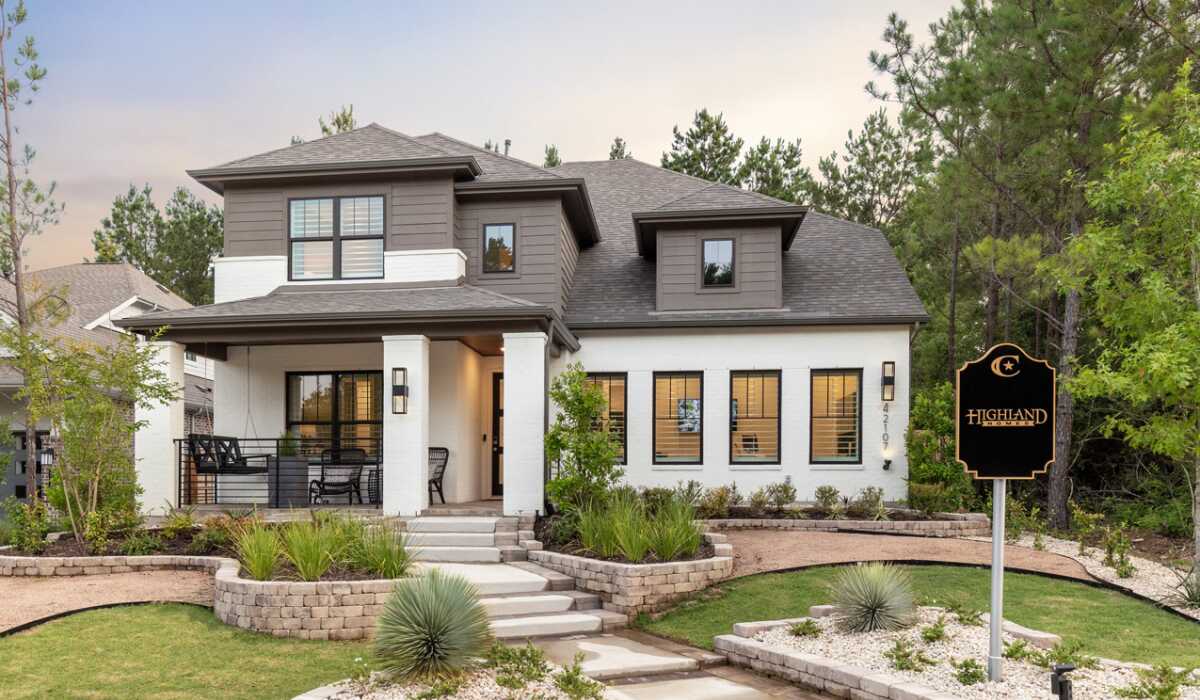
The first step in building a new home is selecting the right builder and community.
Houston offers a wide range of master planned communities that include amenities such as lakes, walking trails, pools, fitness centers, and neighborhood events. Within each community, several builders often offer different floor plans and price points. To learn about what kind of builder or community is best for you, see our Builder Guide.
During this stage, buyers typically:
• Tour model homes
• Compare builders and floor plans
• Evaluate lot locations
• Review upgrade options
• Explore community amenities
• Discuss incentives offered by builders
This stage may take anywhere from a few days to several weeks depending on how quickly buyers narrow their options.
Important tip for buyers:
Always register your real estate agent during your first visit to a builder. Most builders require agent registration on the initial visit in order for your agent to represent you throughout the process.
Buyers who are comparing new construction with resale homes may also want to review current market conditions before deciding which direction to go.
Step 2: Contract and Financing
Once a homesite and floor plan are selected, buyers move forward with a purchase agreement with the builder. This stage officially secures the home and begins the construction process.
At this point, buyers typically:
• Sign the builder’s purchase contract
• Provide earnest money or a builder deposit
• Confirm structural upgrades or floor plan modifications
• Begin the mortgage application or finalize lender pre-approval
Many builders also partner with preferred lenders and title companies. In some cases, buyers who choose the builder’s preferred lender may receive incentives such as:
• Closing cost credits
• Interest rate buy-downs
• Design center or upgrade allowances
Because mortgage rates influence both buyer demand and builder incentives, financing conditions can play an important role in the overall strategy. Buyers who want to understand how interest rates affect timing and affordability can read more in our guide: Should You Wait for Mortgage Rates to Drop?
Note: When building a new construction home, buyers should be prepared for a few early costs after signing the contract. These may include earnest money, an option or deposit amount if required by the builder, upgrade or design deposits, and appraisal or loan-related fees depending on the lender and loan program. Exact amounts vary by builder and community, so it is important to review the contract carefully and ask for a full cost breakdown before moving forward.
Step 3: Design Center Selections
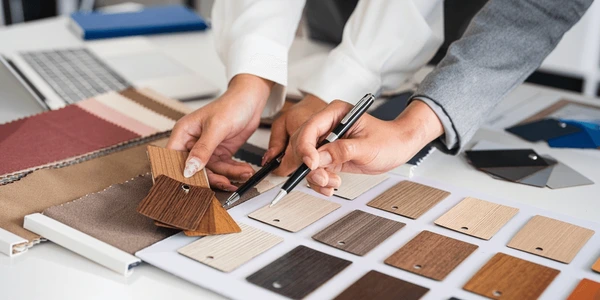
After signing the contract, buyers attend a design center appointment where they select the finishes and features for their home.
Depending on the builder, this appointment typically occurs within 2 to 4 weeks after contract signing.
Common design selections include:
• flooring materials
• cabinets and hardware
• countertops
• backsplash and tile
• lighting fixtures
• appliances
• paint colors
• exterior elevation options
Buyers should keep in mind that certain upgrades can significantly increase the total cost of the home, so reviewing budgets beforehand is helpful.
Note: Once design selections and structural options are submitted, builders often limit changes because materials may already be ordered and trades may already be scheduled. Buyers should assume that major changes become more difficult and more expensive once construction is underway, which is why it is important to make selections carefully from the beginning.
Step 4: Permitting and Pre-Construction
Before physical construction begins, the builder must complete several administrative steps.
These may include:
• engineering approvals
• permitting through the city or county
• scheduling subcontractors
• ordering materials
• preparing the homesite
This stage usually takes 2 to 6 weeks, depending on the municipality and builder workload.
Once permits are issued, construction can officially begin.
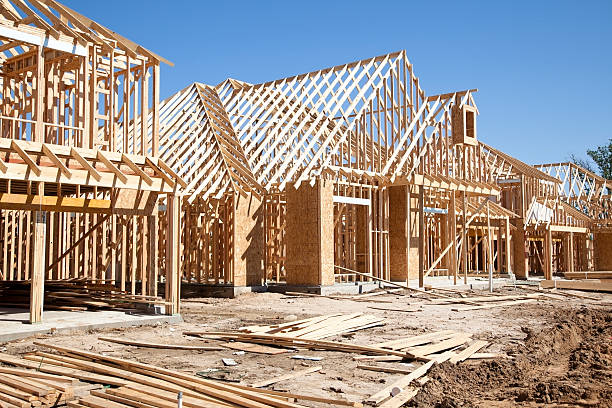
Step 5: Foundation and Framing
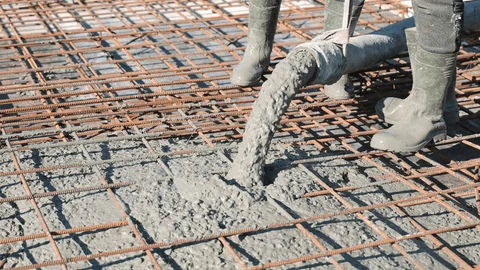
The first visible construction stage is the preparation of the lot and foundation.
This typically includes:
-
Site grading and preparation
-
Plumbing installation under the slab
-
Concrete slab foundation pour
-
Framing of walls and roof structure
This stage typically takes 3 to 5 weeks, depending on weather and construction schedules.
Many buyers schedule a third-party foundation inspection at this point to verify the work before framing continues.
Step 6: Mechanical Systems Installation
Once the structure of the home is framed, contractors install the mechanical systems that allow the home to function.
These include:
• electrical wiring
• plumbing lines
• HVAC systems
• gas lines
• roof installation
• windows and exterior materials
After the roof and windows are installed, the home is considered “dried in,” meaning it is protected from weather.
This stage usually takes 3 to 6 weeks.
Step 7: Interior Construction
Once the mechanical systems are completed, the interior of the home begins to take shape.
Interior work typically includes:
• insulation
• drywall installation
• interior doors and trim
• cabinets
• flooring
• tile installation
• painting
• countertops
This stage typically lasts 4 to 8 weeks depending on the builder and availability of materials.
By this stage, buyers can clearly see the home reflecting the design selections they made earlier in the process.
Step 8: Final Construction and Inspections
As the home nears completion, builders begin the final construction phase.
This stage often includes:
• appliance installation
• plumbing and electrical final inspections
• landscaping installation
• driveway and sidewalk completion
• final cleaning
Most municipalities require final inspections before a certificate of occupancy is issued.
Many buyers also schedule a third-party home inspection before closing to verify the quality of the completed home.
This stage usually takes 2 to 3 weeks.
Step 9: Final Walkthrough and Closing
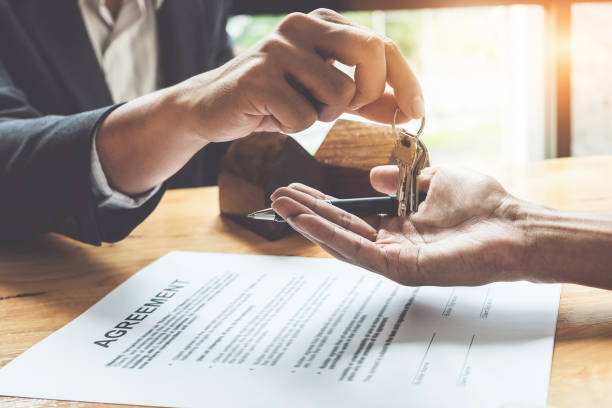
Before closing, buyers complete a final walkthrough with the builder.
During this walkthrough buyers will:
• learn how to operate home systems
• review warranty information
• identify cosmetic items that need attention
• confirm completion of upgrades
Once financing is finalized and the builder completes any remaining punch list items, the home proceeds to closing.
At closing, buyers sign final documents and receive the keys to their new home.
Typical New Construction Timeline
While each builder operates slightly differently, most production homes in Houston follow a timeline similar to the one below.
Typical total timeline: Approximately 5 to 8 months from contract to completion for most production builders in the Houston area, though timelines can vary based on builder, permitting, weather, labor availability, and whether the home is already underway..
Inventory homes or homes already under construction may have shorter timelines.
Questions First-Time Buyers Often Ask When Building
Why Many Buyers Choose New Construction in Houston
New construction homes remain popular across the Houston region for several reasons.
Benefits often include:
• modern floor plans
• energy efficient construction
• builder incentives and financing options
• minimal maintenance during early years
• access to new master planned communities
These communities frequently include parks, lakes, walking trails, and neighborhood amenities designed for long-term growth.
Considering Building a Home in Houston?
New construction continues to expand throughout the Houston suburbs, especially in areas such as Cypress, Katy, Hockley, Tomball, and Magnolia where new communities are developing rapidly.
Understanding the building timeline can help buyers plan their move and approach the process with confidence.
At Newcomb Realty Group, we guide buyers through every stage of the building process from selecting the right community to reviewing builder contracts and navigating inspections along the way.
If you are considering building a new construction home in the Houston area, our team would be happy to help you explore available communities and opportunities throughout the region.
Let's get to building with the Newcomb Realty Group-
📞 Book a consultation: 832-779-5478
🌐 Visit our website: www.newcombrealtygroup.com
📲 Connect with us: Instagram | Facebook | TikTok | YouTube | LinkedIn
Categories
- All Blogs (102)
- Conroe (4)
- Cypress (15)
- Dallas-Fort Worth (2)
- Hockley (5)
- Home Ownership Information (42)
- Home Purchase (1)
- Houston (9)
- Katy/Fulshear (10)
- Magnolia (4)
- Market Forecast (12)
- Memorial (2)
- Neighborhood Information (43)
- New Caney (2)
- Pearland (3)
- Relocation Guide (47)
- Retiree Relocation (4)
- Richmond (5)
- Spring (5)
- Sugarland (4)
- The Woodlands (6)
- Tomball (6)
- Waller (2)
Recent Posts




Realtor® Listing Specialist and Team Lead License ID: 634969
+1(832) 779-5478 | kristina.newcomb@exprealty.com