
Houston Hurricane Preparedness Guide: What Every Homeowner Should Know Before Storm Season
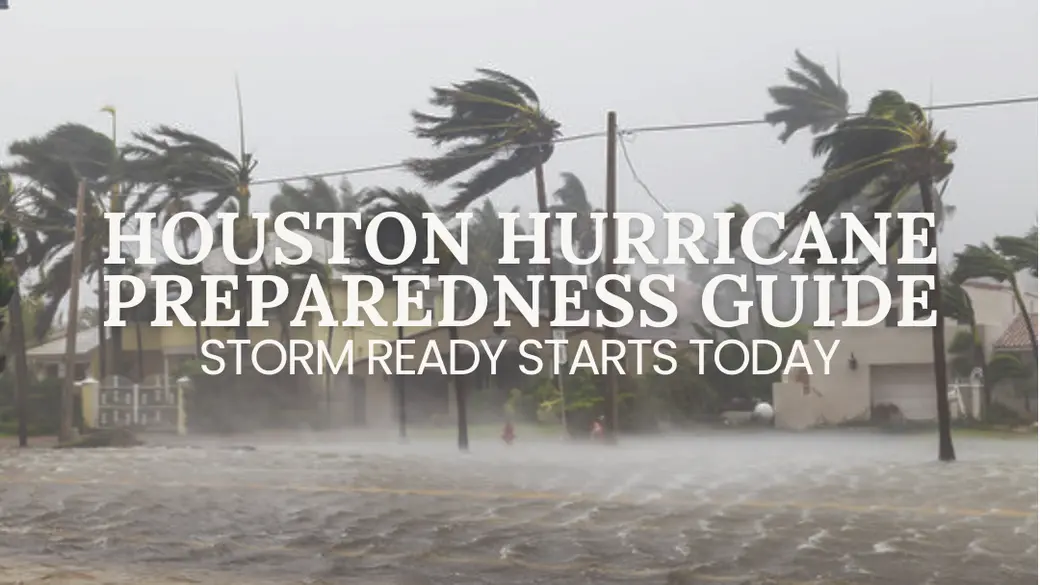
Houston Hurricane Preparedness Guide: What Every Homeowner Should Know
Written by Kristi Newcomb, Lead Agent | Newcomb Realty Group
Key Takeaways
- Prepare early. Build an emergency kit and secure your home before a storm is approaching.
- Review your insurance. Understand your homeowners, flood, and windstorm coverage before hurricane season.
- Know your flood risk. Even homes outside flood zones can experience flooding during severe weather.
- Stay informed. Monitor trusted weather updates, know your evacuation route, and follow local guidance.
Hurricane season is part of life in the Greater Houston area, but preparing for it doesn't have to be overwhelming.
A little planning before a storm develops can help protect your home, reduce costly damage, and give your family greater peace of mind. This guide covers everything homeowners should know, from emergency supplies and insurance coverage to flood risks, home maintenance, and practical storm preparation.
Why Hurricane Preparation Matters
Every year, homeowners across Greater Houston face the possibility of tropical storms, heavy rainfall, damaging winds, tornadoes, flooding, and extended power outages. While not every storm makes direct landfall, even weaker systems can disrupt daily life and cause costly property damage.
Preparing before hurricane season arrives gives you time to gather supplies, review your insurance, protect your home, and create a plan for your family before stores become crowded and severe weather is on the radar.
When Is Hurricane Season in Texas?
The Atlantic hurricane season officially runs June 1 through November 30, with the highest activity typically occurring between August and October.
Even storms that remain offshore can bring heavy rainfall, flash flooding, strong winds, tornadoes, fallen trees, road closures, and extended power outages across the Greater Houston area, making it important to prepare well before severe weather is in the forecast.
Hurricane Watch
Conditions are possible within the next 48 hours.
- Review your emergency plan.
- Stock up on supplies and fuel.
- Charge electronics.
- Prepare your home.
- Be ready to act if conditions worsen.
Hurricane Warning
Conditions are expected within the next 36 hours.
- Complete all preparations immediately.
- Shelter in place or evacuate if instructed.
- Monitor official weather updates.
- Follow guidance from local officials.
Quick Tip: A watch means it's time to prepare. A warning means it's time to take action.
The best time to be ready is before a storm develops, as supplies can become limited once a hurricane enters the Gulf of Mexico.
What Should Be in a Hurricane Emergency Kit?
Every household should have enough emergency supplies to last at least 72 hours, though planning for five to seven days is even better.
Your hurricane emergency kit should include:
-
Water & Food
- One gallon of water per person, per day (3–7 days)
- Nonperishable food (3–7 days)
- Manual can opener
- Baby formula or special dietary items, if needed
- Pet food and water
Emergency Supplies
- Flashlights
- Extra batteries
- Battery-powered or hand-crank weather radio
- Portable power banks
- Phone chargers
- Multi-tool or basic toolkit
- Duct tape and plastic sheeting for temporary repairs
- Fire extinguisher
Health & Personal Care
- First aid kit
- Prescription medications (at least a week's supply)
- Glasses or contact lenses with solution
- Hygiene items (toothbrush, toothpaste, soap, hand sanitizer, toilet paper)
- Blankets and extra clothing
Don't wait until a hurricane watch is issued since popular supplies often sell out quickly.
How Can You Prepare Your Home Before a Hurricane?
A little preventative maintenance can significantly reduce damage during severe weather.
| Outside Your Home | Inside Your Home |
|---|---|
| Trim trees and remove dead branches. | Know how to shut off electricity, water, and natural gas. |
| Secure patio furniture, grills, and outdoor décor. | Charge phones, laptops, and portable power banks. |
| Bring trash cans and loose outdoor items inside. | Fill vehicles with fuel before the storm. |
| Clean gutters and storm drains. | Freeze containers of water to help preserve food if the power goes out. |
| Inspect your roof for loose shingles or damage. | Move valuables away from windows. |
| Check fences, gates, and outdoor structures. | Close hurricane shutters or install storm protection if available. |
| Test your whole-home or portable generator. | Gather important documents in a waterproof container. |
| Store sandbags if your property is prone to flooding. | Make sure medications and emergency supplies are easily accessible. |
Seasonal Home Maintenance Before Hurricane Season
Preparing your home isn't just about buying supplies. Routine maintenance can help reduce storm damage and costly repairs.
Before hurricane season, consider:
-
Inspecting roof flashing and shingles
-
Replacing damaged weather stripping
-
Cleaning gutters and downspouts
-
Testing smoke and carbon monoxide detectors
-
Checking exterior caulking around windows and doors
-
Trimming trees near your roof
-
Photographing your home's interior for insurance documentation
These simple tasks can make recovery easier if your home experiences storm damage.
Does Homeowners Insurance Cover Hurricane Damage?
One of the biggest misconceptions among homeowners is assuming standard homeowners insurance covers every type of storm damage.
In many cases:
✔ Wind coverage varies by policy, deductible, and property location, so homeowners should confirm coverage directly with their insurance provider.
✔ Flood damage generally requires a separate flood insurance policy.
Depending on where your home is located, separate windstorm coverage may also be recommended. You should also review the following: Homeowners insurance, flood insurance, windstorm coverage, deductibles, and replacement cost limits.
It's also wise to take photos or videos of your home's interior before hurricane season. A current home inventory can make the insurance claims process much smoother.
Understanding Flood Risk in Greater Houston
Flooding can occur almost anywhere during major storms, even outside designated flood zones.
Homeowners in Cypress, Katy, Spring, Magnolia, Tomball, and communities throughout Greater Houston should understand their property's flood risk before severe weather arrives.
Before hurricane season:
-
Learn your evacuation zone.
-
Review local flood maps.
-
Identify nearby shelters.
-
Know multiple evacuation routes.
-
Sign up for local emergency alerts.
Never drive through flooded roadways. Just a few inches of moving water can sweep away a vehicle.
A Local Tip from Newcomb Realty Group
One of the most common questions we receive from buyers relocating to Houston is whether every home requires flood insurance.
The answer depends on the property's location, lender requirements, flood history, and individual risk. Before purchasing a home, we encourage buyers to review flood maps, drainage patterns, previous flood disclosures, and insurance requirements. These conversations are just as important as discussing school districts, commute times, or home prices because they help protect your investment long after closing.
Don't Forget Your Pets
Your emergency plan should include every member of your family, including your pets.
Prepare:
-
Food
-
Water
-
Medications
-
Leashes
-
Carriers
-
Vaccination records
-
Comfort items
Research pet-friendly shelters or hotels before a storm develops, as not every evacuation shelter accepts animals.
Protect Your Important Documents
Keep both digital and physical copies of:
-
Insurance policies
-
Driver's licenses
-
Passports
-
Birth certificates
-
Medical records
-
Mortgage documents
-
Property deeds
-
Emergency contact information
Store paper copies in a waterproof container and back up digital copies securely online.
What Should You Do After a Hurricane?
Once local officials say it's safe:
-
Inspect your property carefully.
-
Avoid downed power lines.
-
Document all damage before making temporary repairs.
-
Contact your insurance company promptly.
-
Follow local guidance regarding debris removal.
If you lose power, keep refrigerator and freezer doors closed as much as possible to help preserve food.
Frequently Asked Questions
When is hurricane season in Houston?
Hurricane season runs from June 1 through November 30, with the highest activity generally occurring between August and October.
Should I buy flood insurance if I'm not in a flood zone?
Many homes outside designated flood zones have experienced flooding during major storms. Review your property's flood risk and discuss your options with your insurance provider.
Does homeowners insurance cover flooding?
Typically, no. Flood damage is generally covered through a separate flood insurance policy.
How much water should I store?
Plan for at least one gallon per person per day for a minimum of three days, though five to seven days is recommended.
Should I have a generator?
A generator can provide peace of mind during extended power outages by helping keep essential appliances and medical equipment running safely.
Never operate a generator indoors. Always run portable generators outside and at least 20 feet from doors, windows, and garages to prevent carbon monoxide poisoning.
How can I protect my windows?
If your home has hurricane shutters, install them before severe weather arrives. If not, review other approved storm protection options well before hurricane season.
Where can I receive hurricane alerts?
Sign up for alerts from your local emergency management office, monitor the National Hurricane Center, and follow trusted local weather sources for updates. Because Greater Houston spans several counties, homeowners should also register for alerts through their specific county or local emergency management office.
Should I evacuate if officials issue an order?
Yes. Always follow guidance from local emergency management officials and evacuate promptly when instructed.
Helpful Resources
For the latest storm information and emergency preparedness, visit these trusted resources:
- National Hurricane Center
- Ready.gov
- Harris County Flood Warning System
- CenterPoint Energy Outage Tracker
- Your local county Office of Emergency Management
Be Ready Before the Storm
Owning a home along the Texas Gulf Coast comes with unique responsibilities, but preparation doesn't have to be complicated. Understanding flood risks, reviewing your insurance, maintaining your home, and having a plan before hurricane season can help protect both your family and one of your biggest investments.
At Newcomb Realty Group, we believe our job extends far beyond helping clients buy or sell a home. From relocating to Greater Houston and purchasing your first home to preparing a property for sale, our team provides trusted local guidance at every step.
Want our FREE Hurricane Prep Guide? Send us a message here.
📲 Connect with us: Instagram | Facebook | TikTok | YouTube | LinkedIn
🌐 Visit our website: www.newcombrealtygroup.com
📞 Call for a consultation: 832-779-5478
Categories
- All Blogs (97)
- Conroe (4)
- Cypress (15)
- Dallas-Fort Worth (2)
- Hockley (5)
- Home Ownership Information (39)
- Houston (9)
- Katy/Fulshear (10)
- Magnolia (4)
- Market Forecast (12)
- Memorial (2)
- Neighborhood Information (43)
- New Caney (2)
- Pearland (3)
- Relocation Guide (44)
- Retiree Relocation (3)
- Richmond (5)
- Spring (5)
- Sugarland (2)
- The Woodlands (6)
- Tomball (6)
- Waller (2)
Recent Posts










Realtor® Listing Specialist and Team Lead License ID: 634969
+1(832) 779-5478 | kristina.newcomb@exprealty.com